cptphilpegley@gmail.com | 813-416-6296 | 1214 Frisbie Rd., Ruskin, FL, 33570
Best Florida Duck Hunting: Tampa Bay & Gulf Coast
Discover the top spots for Florida duck hunting, including public WMAs, NWR quota hunts, and private guided access. Get an honest breakdown for Tampa Bay and Gulf Coast hunters to find the best hunting opportunities.
Phil Pegley
4/8/20268 min read
Florida is a bigger duck hunting state than most hunters outside the Southeast realize. The combination of mild winters, extensive coastal habitat, and a geographic position that funnels migratory birds down both the Atlantic and Mississippi flyways makes Florida one of the most productive wintering grounds for waterfowl in the eastern United States. The challenge isn't finding ducks — it's finding legal, productive access to the water they're using.
That access question is where Florida duck hunting gets complicated, and where the difference between a productive season and a frustrating one is often decided before you ever load a shotgun. This guide breaks down the public hunting landscape in Florida, the private access advantage that guides like Captain Phil Pegley bring to the table, and the specific environments where Florida's best waterfowl hunting actually happens.
Understanding Florida's Duck Hunting Geography
Florida's waterfowl hunting isn't concentrated in one region — it's distributed across several distinct habitat types that each hold different species and operate under different access frameworks.
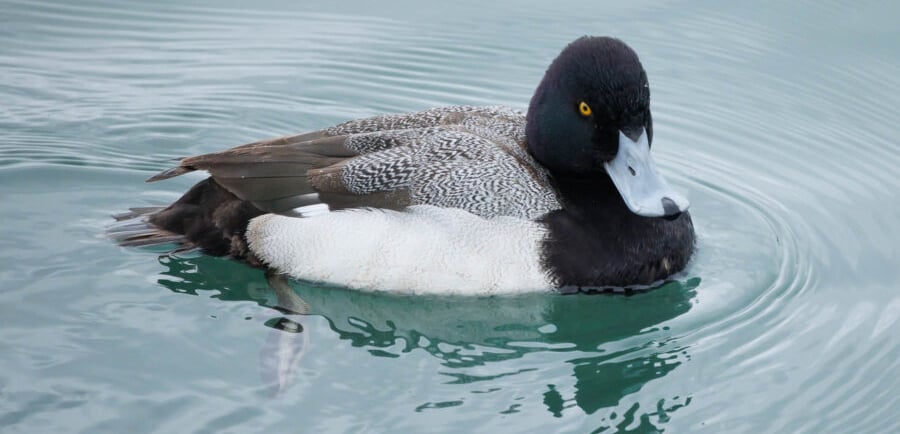
The Gulf Coast and Tampa Bay region is the premier destination for coastal diving duck hunting. Tampa Bay's broad, shallow estuary provides ideal wintering habitat for Lesser Scaup, Buffleheads, Redheads, Ring-necked Ducks, and Ruddy Ducks. The mangrove edges, seagrass beds, and open bay flats of this region support some of the highest diving duck concentrations in the state from November through January.
The Atlantic Coast and Indian River Lagoon system runs along Florida's east coast from the Space Coast south toward the Keys. This extensive estuary complex, which includes areas near Merritt Island National Wildlife Refuge, provides habitat for both diving ducks and a wider variety of puddle ducks than the Gulf Coast typically sees. The Space Coast area in particular has a well-established waterfowl hunting tradition and some of the most productive managed hunt programs in the state.
Interior freshwater systems — Lake Okeechobee, the Kissimmee chain of lakes, the St. Johns River floodplain, and associated wetlands — hold Ring-necked Ducks, Lesser Scaup, and significant populations of resident Black-bellied Whistling Ducks and Mottled Ducks throughout the season. These areas tend to produce more puddle duck opportunity than the coastal systems.
The Panhandle and North Florida receives more traditional migratory duck pressure than South Florida, including species like Mallards, Gadwall, and Wigeon that are less common further south. Zone A hunting in North Florida follows an earlier seasonal framework that reflects the more northerly migration timing through the region.
Public Duck Hunting in Florida: The Real Picture
Florida offers public waterfowl hunting across a network of Wildlife Management Areas managed by the Florida Fish and Wildlife Conservation Commission, National Wildlife Refuges administered by the U.S. Fish and Wildlife Service, and Water Management District lands. The opportunity is real — but so are the limitations.
Wildlife Management Areas
Florida's WMA system includes dozens of properties with designated waterfowl hunting opportunities. Some of the most significant for waterfowl include:
Apalachee Wildlife Management Area in the Panhandle, which offers both impoundment hunting for puddle ducks and some of the most consistent Teal hunting in the state during early season.
Three Lakes Wildlife Management Area in Osceola County, which provides interior lake hunting for Ring-necked Ducks and scaup on its extensive freshwater system.
Dinner Island Ranch Wildlife Management Area in Hendry County, one of the larger properties in South Florida with significant wetland habitat and Black-bellied Whistling Duck populations.
Tosohatchee Wildlife Management Area along the St. Johns River floodplain in Orange County, which provides floodplain hunting for a variety of species during high-water years.
The critical caveat with WMAs: Many of Florida's best waterfowl hunting areas within the WMA system require advance reservation through FWC's quota hunt system. Quota applications open months before the season — sometimes as early as midsummer — and the most productive areas, dates, and blinds fill within days of opening. Hunters who don't monitor the application calendar and apply immediately when quotas open routinely find themselves locked out of every desirable public option for the entire season.
Beyond the quota access challenge, WMA hunting pressure is real and consistent. Public hunting areas in Florida are not secret — the same productive spots get hammered every legal hunting day, birds pattern the pressure quickly, and success rates on public land tend to decline as the season progresses and birds become increasingly educated.
National Wildlife Refuges
Florida's NWR system includes some genuinely exceptional waterfowl habitat, though hunting access is more restricted than on WMAs and varies significantly by refuge.
Merritt Island National Wildlife Refuge on Florida's Space Coast is perhaps the most well-known waterfowl hunting destination in the state's federal refuge system. Merritt Island sits adjacent to Kennedy Space Center on the Indian River Lagoon and supports an extraordinary diversity of waterfowl — diving ducks, puddle ducks, and wading birds in numbers that reflect the productivity of the Indian River Lagoon ecosystem. Managed hunts at Merritt Island are conducted through a lottery system and are among the most competitive permit draws in Florida. Getting a Merritt Island waterfowl hunt permit requires applying early and accepting that you may not draw a permit in any given season.
St. Marks National Wildlife Refuge in the Panhandle provides Gulf Coast marsh hunting with a mix of species. Like Merritt Island, managed hunt access is controlled and competitive.
Lake Woodruff National Wildlife Refuge near DeLand provides freshwater marsh hunting on the St. Johns River system, with Ring-necked Ducks and scaup among the primary targets.
The common thread across Florida's federal refuge hunting: exceptional habitat, meaningful bird numbers, and access systems that require advance planning, application, and often multiple seasons of drawing before you secure a permit for the best areas.
The Public Land Reality Check
Public duck hunting in Florida is legitimate and worth pursuing — particularly for hunters who are flexible on dates, willing to apply early and often for quota permits, and prepared to invest time scouting less-pressured secondary areas within the WMA system. It rewards patience and persistence.
What it doesn't reward is a last-minute approach. If you decide in October that you'd like to hunt Florida ducks in December, your public land options are largely already determined by whether you applied for quota permits months earlier. The best dates are gone. The best blinds are reserved. You're hunting what's left.
Private Access: Where Florida's Best Hunting Actually Happens
The most consistently productive duck hunting in Florida — on Tampa Bay and across the Gulf Coast — happens on private water. Bay points, tidal flat edges, managed impoundments, and coastal hunting areas that see controlled or no public pressure hold birds throughout the season in ways that public areas, by definition, cannot.
Private access in Florida's coastal duck hunting world takes several forms.
Landowner relationships are the traditional path. A hunter who has spent years developing relationships with waterfront property owners — building trust, demonstrating responsible behavior, and contributing to land stewardship — can access private bay shoreline and hunting areas that most hunters never see. These relationships take years to establish and can't be purchased.
Hunting leases for coastal duck access in productive areas are rare and expensive. Unlike agricultural upland leases, which are common across the South, coastal waterfowl leases in Florida's most productive areas are tightly held and rarely come to market. When they do, competition is significant and prices reflect the scarcity of the resource.
Guide operations with established access represent the most practical path to private water for most hunters. A guide who has spent years building relationships with landowners and identifying productive private hunting areas on Tampa Bay brings that access to every charter. You're not just paying for a boat and a decoy spread — you're paying for the private water access that the guide has earned through years of work on the bay.
This is one of Captain Phil Pegley's most concrete advantages for Tampa Bay hunters. The water he hunts isn't fully accessible to the public, isn't subject to the pressure that hammers public areas throughout the season, and holds birds consistently because it hasn't been educating ducks all winter. That access is built into every charter he runs.
Tampa Bay: The Case for Guided Private Access
Tampa Bay deserves specific discussion because it represents the best coastal diving duck hunting in Florida's Gulf Coast region — and because the access dynamics here illustrate the private versus public distinction most clearly.
Tampa Bay's productive hunting water is not concentrated in easily accessible public areas. The grass flat edges, bay points, and open-water zones where Bluebills, Buffleheads, and Redheads concentrate throughout the season are distributed across miles of estuary that require a capable boat, local knowledge, and in the most productive areas, access arrangements that the typical visiting hunter doesn't have.
Public boat ramps provide access to the general bay, but public access to productive hunting positions — the specific flat edges and bay points where birds commit to decoy spreads rather than simply passing through — is limited. The bay is large; the productive hunting spots within it are specific, and knowing them requires time on the water.
Captain Phil has spent that time. He knows where Bluebills stack on a northwest wind, where Buffleheads work the flat edges on an incoming tide, where Redheads are staging in any given week of the season. That knowledge, combined with access to water that isn't being hunted by every other boat on the bay, is what separates a productive charter morning from an average one.
Comparing Your Options: A Practical Framework
Here's how to think about Florida duck hunting access depending on your situation:
If you're a Florida resident who hunts multiple times per season: Public WMA hunting is worth pursuing seriously, but only if you apply for quota permits early and consistently. Supplement public hunting with scouted secondary areas within WMA boundaries that receive less pressure than the designated blinds. Build toward private access through guide relationships and long-term networking.
If you're visiting Florida once or twice per season: The quota permit system is largely inaccessible to you — permits require advance application that most visiting hunters don't plan for far enough ahead. A guided charter on private or semi-private water is almost certainly the most efficient path to productive hunting.
If you're hunting Florida's coastal bays for the first time: Don't try to figure out Tampa Bay independently on a single trip. The learning curve is real, the productive water is specific, and the time investment required to develop genuine local knowledge exceeds what a single visit allows. A guided charter puts you on birds from your first morning on the water.
If you've been striking out on public land: Before you give up on Florida duck hunting, try private guided access. The difference between public WMA hunting late in the season and a well-guided morning on private bay water is sometimes the difference between a productive hunt and a long morning watching birds pass out of range.
Skip the Permit Lottery — Hunt with a Guide
The quota permit system exists for good reasons — it manages hunting pressure on Florida's most productive public areas and protects the resource for long-term sustainability. But for hunters who can't or don't apply months in advance, it's effectively a barrier to the best public hunting the state offers.
A guided charter with Captain Phil on Tampa Bay bypasses that barrier entirely. No lottery. No months-in-advance application. No hoping your number comes up before the best dates are gone. You contact Captain Phil, check availability for the dates that work for your schedule, and show up at the boat ramp ready to hunt water that has been scouted and selected specifically for current bird activity.
The birds are there. The access is real. The only question is when you want to go.
Book Your Tampa Bay Hunt
Duck Hunting Charters operates out of Ruskin, Florida, running morning and afternoon hunts throughout Florida's fall and winter waterfowl season. Small groups, private water access, and the local expertise that comes from years hunting Tampa Bay's Bluebills, Buffleheads, Redheads, and more.
Contact Captain Phil to check availability:
📞 813-416-6296 | ✉ captphilpegley@gmail.com | duckhuntingcharters.com
Always verify current season dates, bag limits, and WMA regulations at myfwc.com and fws.gov before hunting public land. Quota permit applications open in summer — check FWC's website for application windows.
© 2025. All rights reserved. Site design by

