cptphilpegley@gmail.com | 813-416-6296 | 1214 Frisbie Rd., Ruskin, FL, 33570
Florida Duck Hunting Season 2025–2026: Dates, Zones, and What You Need to Know
Your complete guide to Florida duck hunting season 2025–2026: zone dates, bag limits by species, required licenses and stamps, shooting hours, and the diving ducks you'll encounter hunting Tampa Bay and Florida's Gulf Coast. Always verify final dates at myfwc.com.
Phil Pegley
4/8/20266 min read
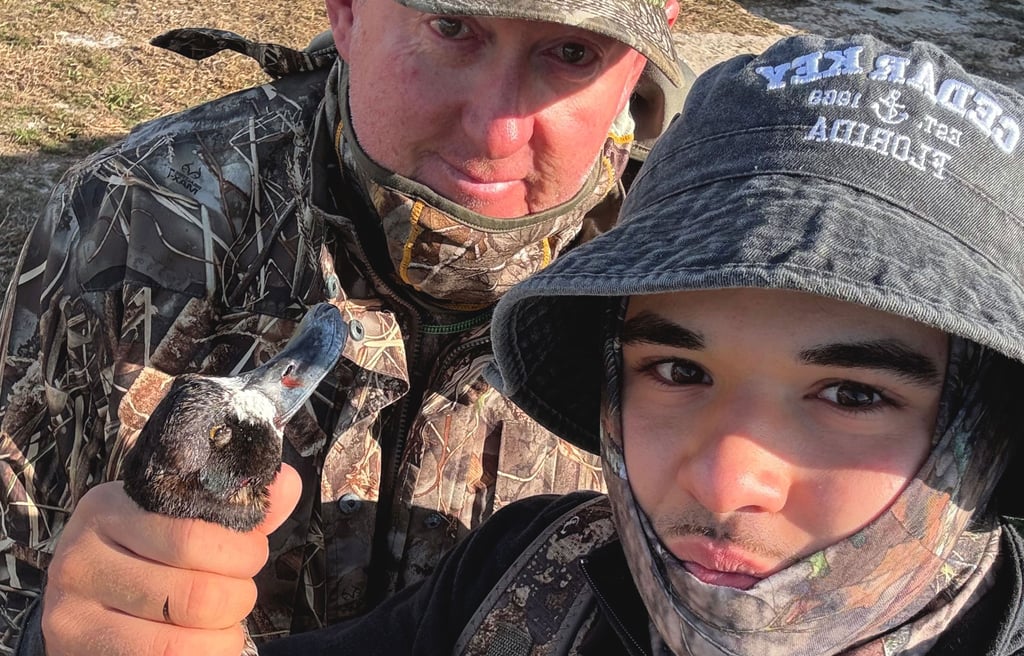
If you're planning to hunt ducks in Florida this fall and winter, the most important thing to understand before you ever load a shotgun is this: Florida's duck season is zone-based, species-specific, and governed by both state and federal regulations that change annually. Getting it wrong isn't just a missed opportunity — it can mean serious fines and the loss of your hunting privileges.
This guide breaks down everything you need to know about Florida duck season 2025–2026: the zones, the dates, the bag limits, the licenses, and the species you can expect to encounter. Bookmark it, share it, and check it against the official Florida Fish and Wildlife Conservation Commission (FWC) proclamation before you head out.
How Florida's Duck Season Works
Florida is divided into duck hunting zones that reflect regional bird migration patterns and habitat. The Florida Fish and Wildlife Conservation Commission sets season dates within frameworks established by the U.S. Fish and Wildlife Service (USFWS), which manages migratory bird hunting at the federal level. That means Florida's season dates must be approved federally each year and can shift slightly from one season to the next.
For waterfowl hunters, this means you need to stay current. The dates below reflect the 2025–2026 season framework as established by FWC. Always verify the final proclamation at myfwc.com before your hunt.
Florida Duck Hunting Zones
Florida is divided into three primary zones for duck season:
Zone A — North Florida Covers the panhandle and much of north-central Florida. This zone typically opens earlier in the fall, reflecting the more northerly latitude and migration timing through the region.
Zone B — South Florida Covers central and south Florida, including the Tampa Bay area, Lake Okeechobee, and the Everglades region. The season here typically runs later into winter to account for later-arriving migratory birds.
Zone C — Special Zones Certain areas, including portions of the Everglades Agricultural Area and specific water management districts, may have modified seasons or special regulations. Check the FWC proclamation for any zones that apply to your specific hunting location.
2025–2026 Season Dates
The following dates reflect the anticipated framework for the 2025–2026 season. Final dates are subject to federal approval and FWC proclamation — confirm at myfwc.com before your hunt.
Zone A (North Florida):
Split Season: typically late October through late November, with a second split running late November through late January
Total days: approximately 60
Zone B (South Florida / Tampa Bay area):
Split Season: typically opens in November, with a second split continuing through late January
Total days: approximately 60
Teal Season (Statewide):
Early teal season typically runs for a brief window in September — a popular and fast-action early-season option before the main season opens
Scaup (Bluebill) Season:
Scaup have their own specific season within the broader framework, often slightly shorter than the general duck season. Pay close attention to the scaup-specific dates, as they are frequently targeted on Tampa Bay.
Again — confirm your specific zone dates with FWC. Regulations are updated annually and acting on outdated information is not a legal defense.
Bag Limits: What You Can Take
Florida follows the federal daily bag limit framework for migratory waterfowl. For the 2025–2026 season, general guidelines include:
Daily Bag Limit (General Ducks): 6 ducks per hunter per day
Within that limit, species-specific restrictions apply:
Scaup (Bluebills): 2 per day (this limit is often reduced from the general limit due to population management concerns — verify annually)
Redheads: 2 per day
Canvasback: 1 per day (when season is open — check annual status)
Pintail: 1 per day (when season is open — check annual status)
Buffleheads: 3 per day
Goldeneye: 3 per day
Ruddy Ducks: 15 per day (one of the most generous limits in the bag)
Mergansers: 5 per day (no more than 2 hooded mergansers)
Wood Ducks: 3 per day
Teal (during main season): 4 per day
Possession limit is generally three times the daily bag limit.
Species identification is your responsibility in the field. Knowing your birds — and being able to distinguish a Lesser Scaup from a Ring-necked Duck, or a Bufflehead hen from a Ruddy Duck — is not optional. Mistakes cost money and, in some cases, can result in federal violations for taking protected species.
Species You'll Encounter in Tampa Bay
Tampa Bay and the surrounding Gulf Coast are exceptional wintering habitat for diving ducks. The birds that dominate Florida's saltwater and estuarine hunting are different from the puddle ducks most hunters picture when they imagine duck season. Here's what you'll see:
Lesser Scaup (Bluebills) — The bread-and-butter duck of Tampa Bay. Fast, numerous, and willing to work a decoy spread. They winter by the thousands on the open bay.
Buffleheads — Small, acrobatic divers with the distinctive black-and-white head pattern on the drake. They're quick and challenging to shoot — and excellent table fare.
Redheads — One of Florida's most beautiful wintering ducks. The rich brick-red head of the drake is unmistakable. Tampa Bay hosts a significant wintering population.
Ring-necked Ducks — Often found in freshwater impoundments and lakes, but also present in brackish areas. Sometimes called "Ringbills" by hunters for their distinctive bill markings.
Ruddy Ducks — Chunky, stiff-tailed little divers that often sit tight on the water. Generous bag limits reflect a healthy population.
Hooded Mergansers — Beautiful birds with a distinctive fan-shaped crest. Not prized for the table, but a common encounter on Florida waters.
Black-bellied Whistling Ducks — A year-round Florida resident rather than a migrant, these long-legged, red-billed ducks are found throughout the state. They have their own bag limit separate from the general duck limit (typically 6 per day) — check FWC regulations.
Mottled Ducks — Florida's resident puddle duck, often confused with female mallards. They are state-protected at reduced bag limits due to population concerns. Know how to identify them.
What Licenses and Stamps Do You Need?
This is where hunters — especially first-timers — most often get tripped up. Duck hunting in Florida requires multiple authorizations stacked on top of each other. Here's what every hunter needs:
1. Florida Hunting License Required for all hunters. Available through the FWC licensing portal or at any authorized license agent. Residents and non-residents have different fee structures.
2. Florida Waterfowl Permit A state-level add-on permit specifically for waterfowl hunting. Required in addition to your base hunting license.
3. Federal Duck Stamp This is a federal requirement for all waterfowl hunters 16 and older. The Federal Duck Stamp costs $27 and must be signed across the face before you hunt. Purchase at any U.S. Post Office, USFWS offices, or online at duckstamp.com. Note: the funds from Duck Stamp sales go directly to wetland conservation — it's one of the most successful conservation programs in U.S. history.
4. HIP Certification (Harvest Information Program) All migratory bird hunters must be HIP-certified. This is a brief survey that you complete when purchasing your license, and it's free. It's a federal program that helps wildlife managers track migratory bird harvest data. Don't skip it — hunting without HIP certification is a federal violation.
5. Steel Shot / Non-Toxic Shot Not a license, but a hard legal requirement: lead shot is prohibited for waterfowl hunting under federal law. Use steel, bismuth, tungsten, or other approved non-toxic shot. If you show up with lead shells, your guide will send you home.
Florida Shooting Hours
Legal shooting time for ducks in Florida is one-half hour before sunrise to sunset. This varies slightly by date as sunrise shifts throughout the season. Your phone's weather or compass app can tell you sunrise time for any given day. Build in time to be in position before legal shooting hours begin — that's when birds move most actively.
Public vs. Private Hunting Areas
Florida offers waterfowl hunting on numerous Wildlife Management Areas (WMAs) managed by FWC, as well as National Wildlife Refuges with managed hunts. Some of these require advance reservation through FWC's quota hunt system, which fills up fast. Apply early if you plan to hunt public land.
Private access to productive bay and coastal areas is a significant advantage — and it's one of the key benefits of booking a charter. A guide with established access and years of scouting on a productive body of water eliminates the learning curve entirely.
Don't Want to Navigate All This Yourself?
That's exactly why guided duck hunting charters exist. Duck Hunting Charters operates out of Tampa Bay throughout Florida's fall and winter waterfowl season, handling everything from scouting and decoy setup to local permits and shotgun loans. All you need to bring is your Florida hunting license, your Federal Duck Stamp, your HIP certification, and your shells.
Whether you're a first-time waterfowler or an experienced hunter who's never hunted Florida's coastal waters before, a charter puts you in front of birds from day one — without the years of local knowledge it takes to figure it out on your own.
Ready to book? Contact Captain Phil directly and get on the water this season.
813-416-6296 | ✉ captphilpegley@gmail.com | duckhuntingcharters.com
Regulations cited in this article are based on anticipated 2025–2026 frameworks and historical FWC proclamations. Always verify current season dates, bag limits, and license requirements at myfwc.com before hunting.
© 2025. All rights reserved. Site design by

